08/05/2026
Future of Greenland – Youth at the Center of Greenland’s Future
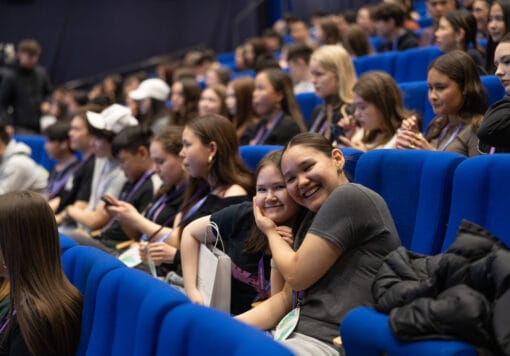
On May 6, 2026, Greenland Business brought together more than 400 young people for Future of Greenland, the youth busine...
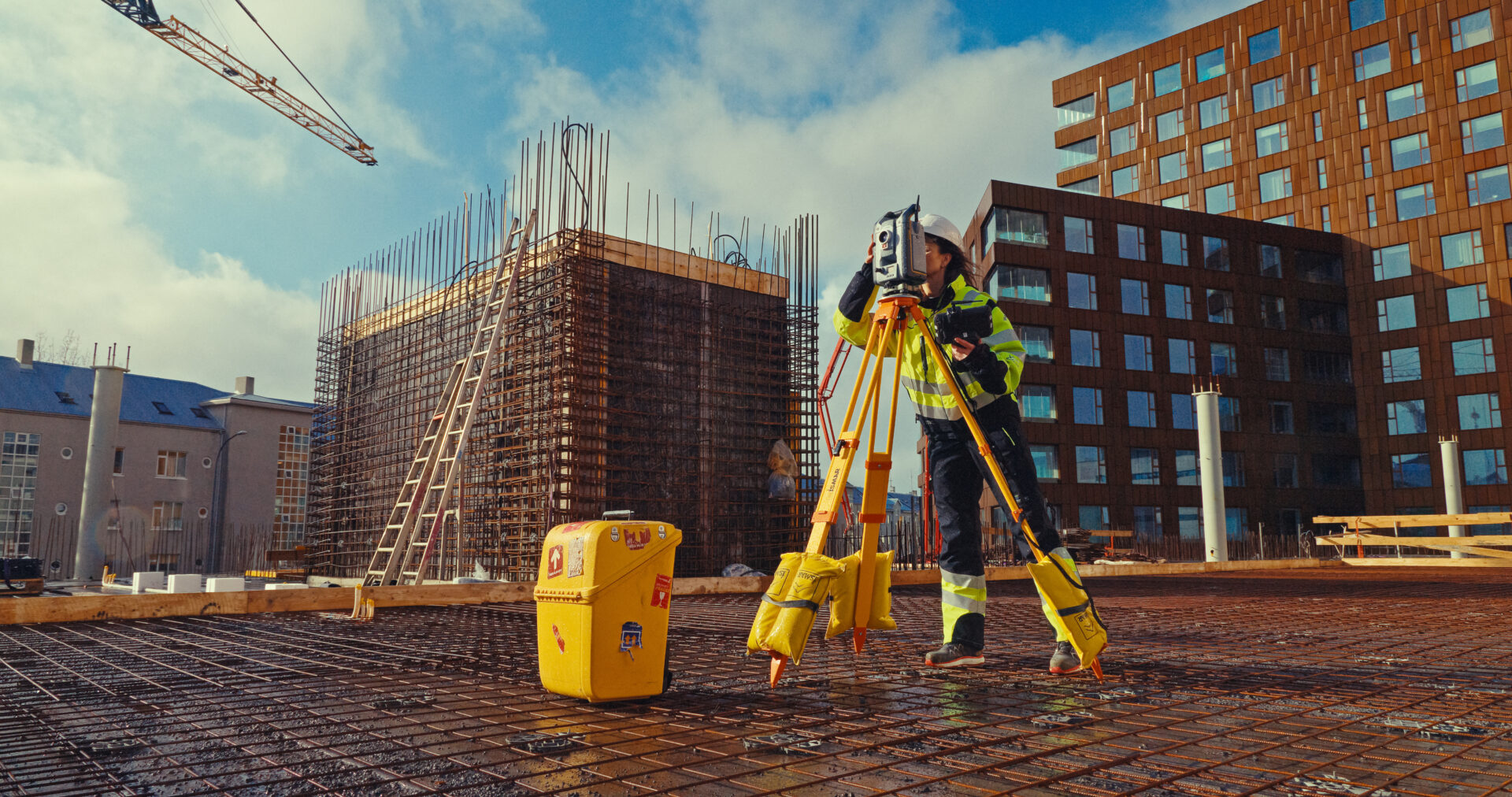
One of Greenland’s Oldest Engineering Firms, with Greenlandic Roots and Icelandic Backing
Verkís Greenland has a history stretching further back than most consulting engineering firms in the country. The company was originally established by the Danish firm Spangenberg og Madsen in 1969, making it one of the oldest engineering companies in Greenland. Since then, it has changed owners and names several times. As part of a generational transition, it was acquired by the Icelandic engineering firm Verkís. Since January 2023, Verkís Greenland has been wholly owned by Verkís in Iceland.
“We strive to remain a company firmly rooted in Greenland, while benefiting from the excellent expertise and support available in Iceland whenever we need specialist knowledge that we do not have in-house,” says Managing Director Michael Karing. Historically, Verkís in Iceland has been involved in the majority of Greenland’s hydropower plants and harbour construction projects.
In its daily operations, the company designs residential buildings, supervises construction projects and provides consultancy services to public and private developers. It also undertakes projects beyond the usual scope of work, including consultancy and communication with regulatory authorities for Amaroq Minerals in connection with the Nalunaq mine, design work for the road between Sisimiut and Kangerlussuaq, smaller hydropower projects and the renovation of residential apartment blocks for the Greenlandic Renovation Agency.
The company employs three to four people in Greenland. As recruiting specialists in certain engineering disciplines can be challenging, several key professionals are based in Iceland and at the company’s newly established office in Denmark.
At Nuuk’s new international airport, Verkís Greenland was hired by MT Højgaard to carry out internal quality inspections during construction, effectively serving as the company’s eyes and ears on site.
“We have only been a small cog in a very large machine, but we are certainly proud of our contribution to the new airport and the opportunities we hope it will bring to Greenland, both now and in the future,” says Michael Karing.
During the construction of the new school in Nuuk, the Icelandic division was responsible for several technical engineering disciplines on behalf of the contractor Ístak, while the Nuuk-based staff served as internal advisers throughout the construction phase.
The greatest challenges of building in Greenland are neither shipping logistics, the long winter nor stormy weather. These are familiar conditions that can be planned for. Instead, the real challenges in recent years have been the shortage of skilled tradespeople and rising material costs.
From a technical perspective, problems most often arise when large Danish architectural firms are involved without fully understanding Greenland’s climatic conditions. For example, rain can blow horizontally, and buildings must be able to withstand snow being cleared by heavy machinery operating directly alongside their façades for several months of the year.
Roofs without overhangs and roofs sloping towards main entrances, causing snow to fall directly onto residents as they enter or leave, are examples of such design mistakes.
“These are actually very basic mistakes that we would never make,” he says.
On the other hand, Greenland also offers advantages, such as dry air and the opportunity to construct foundations directly on solid bedrock.
Since the introduction of the Arctic Engineering degree programme, Greenland has also developed its own generation of engineers who understand the country and its unique conditions. Michael Karing considers this an enormous strength.
When asked about local roots and involvement, his answer is straightforward:
“We don’t work on becoming locally established. We are local.”
Michael Karing himself arrived in Greenland in 1995, starting his career as a newly qualified technician at the municipal office in Paamiut. He has since worked on construction projects across much of Greenland’s west coast for more than 30 years.
Looking to the future, Michael Karing’s personal ambition centres on housing, an area where Greenland faces significant challenges due to both housing shortages and widespread problems with mould-damaged homes.
“We need to work together to identify those living in the poorest housing conditions in this country and collectively raise the minimum standard of housing.”
And where does he see Verkís Greenland in five years?
“Of course, we’ll still be here.”
The company’s ambition is to strengthen its professional expertise by increasingly recruiting its own employees, upgrading their skills and investing in staff training and education.