When we wake up in the morning, we expect the lights to work, water to flow from the tap, and our homes to be warm. We rarely give it a second thought – and ideally, that is how it should be. Behind these everyday essentials is Nukissiorfiit, which supplies electricity, water and heating to most of Greenland and is responsible for ensuring these services in 17 towns and 54 settlements. Its most important task is to keep everyday life running smoothly, every single day, all year round.
Behind these essential services are 419 dedicated full-time employees from a wide range of professional backgrounds, including electricians, plumbers, marine engineers, ship mechanics, engineers, administrative staff and specialists. Together, they ensure that technology, operations, complex systems and, not least, emergency preparedness work seamlessly. Nukissiorfiit also maintains a strong local presence across many parts of Greenland.
Today, approximately 70 percent of the energy produced by Nukissiorfiit comes from renewable sources, primarily hydropower. Five areas of Greenland – Qaqortoq/Narsaq, Nuuk, Tasiilaq, Sisimiut and Ilulissat – receive electricity from hydropower plants, while other locations are supplied by diesel-powered plants. Nukissiorfiit also provides heating in 16 locations across the country, and several towns supplied by hydropower have electric vehicle charging stations (Nukissalik).
One of the company's most significant projects has just been completed: the replacement of the backup cable spanning Ameralik Fjord, which carries electricity from the Utoqqarmiut Kangerluarsunnguat (Buksefjorden) hydropower plant to Nuuk. The cable is 5,376 metres long, weighs approximately 25 tonnes and is the world's longest free-hanging fjord-spanning power cable.
With the replacement completed, four cables are once again in place across the fjord. Three transmit electricity, while the new backup cable is ready to take over in the event of a fault or damage to one of the others. This has made Nuuk's electricity supply more resilient and less vulnerable to damage or operational disruptions. The greatest challenge during the project? Planning and coordination under Greenland's unpredictable and harsh weather conditions.
The green transition continues in Ilulissat, where the Paakitsoq hydropower plant sometimes generates more renewable electricity than is consumed. To make better use of this surplus energy, Nukissiorfiit is installing electric boilers for both private households and larger customers.
Nine electric boilers are planned for private customers by the end of September 2026, and installation work is already well underway. Two larger electric boilers are also being introduced, one of which is already operational. This allows consumers to heat their properties using renewable hydropower when it is available, while retaining their oil-fired boilers as a backup. At the same time, parts of Ilulissat's electricity grid are being upgraded to enable even more consumers to use renewable electricity for heating in the future.
Security of supply is not limited to Greenland's larger towns. Following a fire at the peak-load power plant in Uummannaq, the town is currently supplied by three temporary generators while a new main power plant is being constructed, with completion expected in 2028.
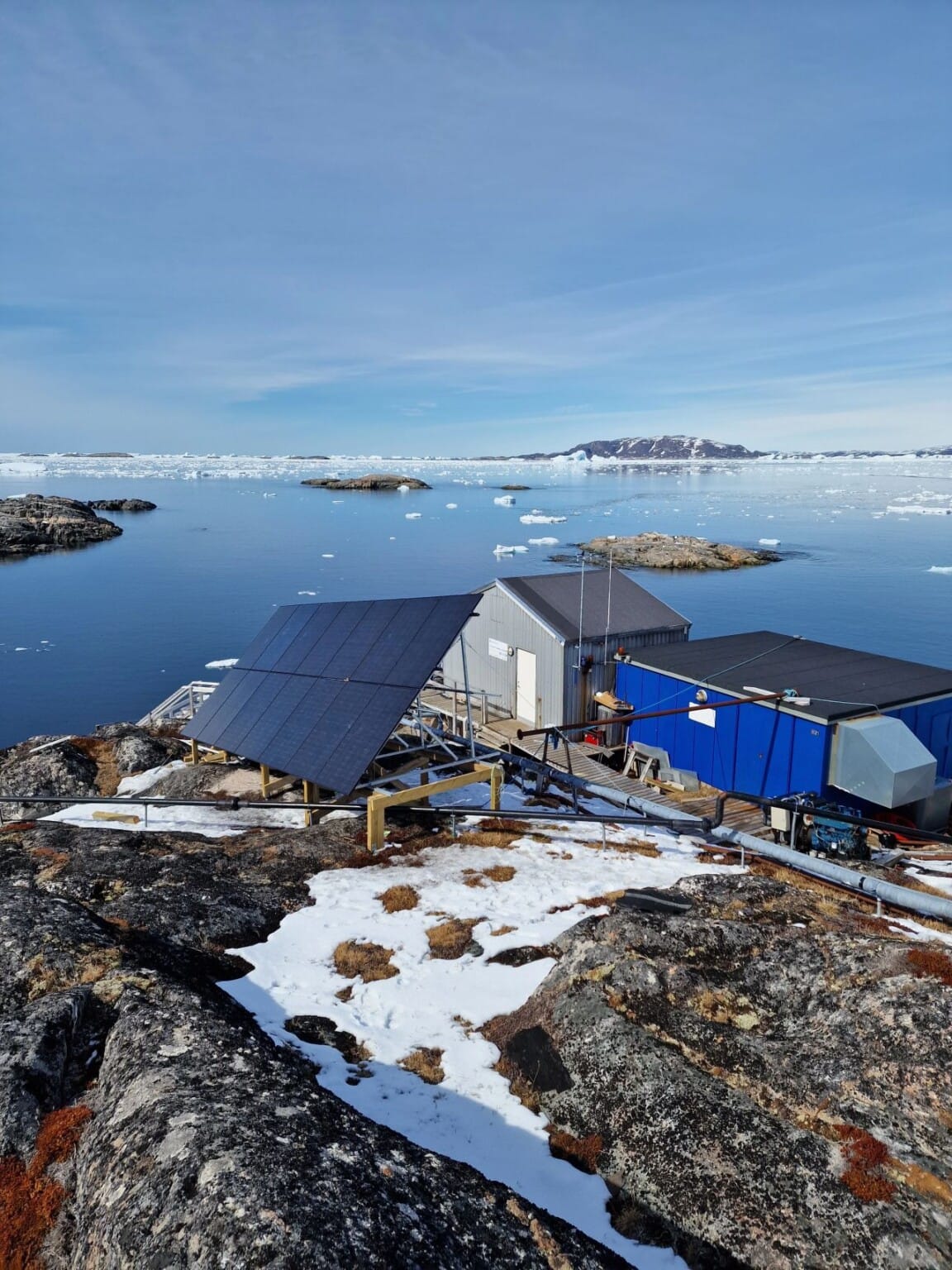
Meanwhile, power and water facilities in Greenland's settlements are being continuously upgraded. Approximately three settlement waterworks are renovated each year, while the goal is to replace engines at around four settlement power plants annually. After all, a reliable energy and water supply cannot be established overnight. It requires continuous maintenance and investment, year after year.
Providing utilities in Greenland is a particularly demanding task. If the electricity goes out in one town, power cannot simply be supplied from a neighbouring town. In practice, every town and settlement operates as its own independent energy system, known as an island grid, with at least one main facility and an associated backup system.
At the same time, Greenland's harsh climate places considerable strain on equipment and infrastructure across the more than 70 towns and settlements served by Nukissiorfiit.
Behind it all are people. Nukissiorfiit provides training for settlement utility operators, invests in professional development throughout the organisation, and visits schools and career fairs to introduce young people to career opportunities in the utilities and energy sectors. On average, employees have been with the company for more than 10 years.
Most people do not think about Nukissiorfiit when they switch on the lights. And that is actually a good sign.
Because when electricity, water and heating simply work, it means that people across Greenland have done their jobs: monitoring facilities, repairing engines, travelling out in difficult weather conditions and being ready to respond when the unexpected happens.
All so that, tomorrow morning, people across Greenland can once again wake up to light, running water and warmth.