

19/03/2026
Important information for companies using MitID Erhverv
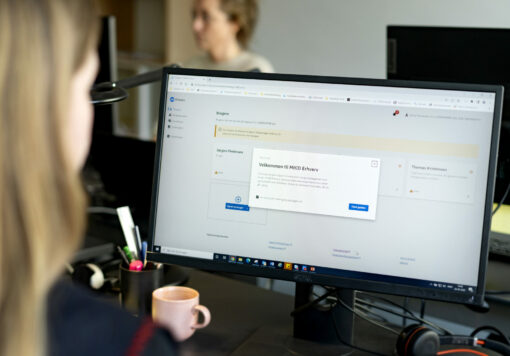
Greenlandic organisations that have been connected to MitID Erhverv since before the 20th of May 2025 have been informed...
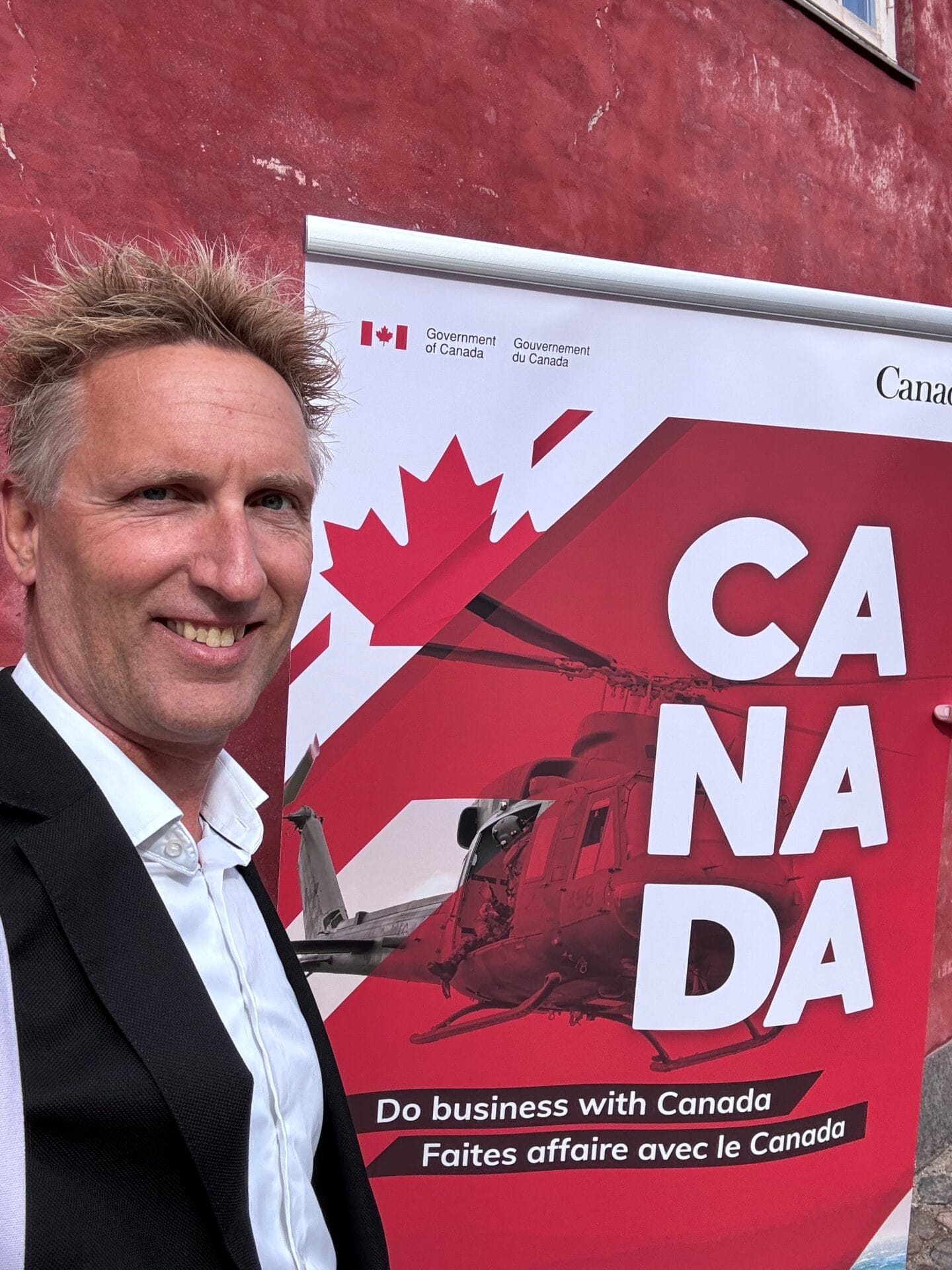
If Arctic defence capabilities are to be strengthened, cooperation, Greenland-based companies and the knowledge of people in the Arctic must form the foundation.
In recent years, people have often said that "the world is watching Greenland". This week, the focus is defence. For Greenland Business Association, the central question is what opportunities shared Arctic capabilities may offer Greenland-based companies as they become a reality - and how Greenland can help shape the process rather than merely participate in it.
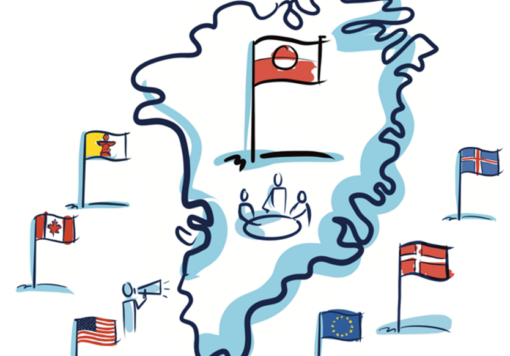
Greenland and Canada are connected by sea and share a border. Their proximity should not be visible only on a world map. Relations between Greenland and Canada - and between Canada and the Danish Realm more broadly - have long been good; all face many of the same challenges in defending Arctic communities, environments and remote settlements.
Today, Christian Keldsen, Managing Director of Greenland Business Association, joined Jens Heinrich, Head of the Greenland Representation, at a Danish-Canadian seminar for defence-sector businesses. The seminar explored how cooperation can be expanded, how supply chains can be strengthened and how Arctic companies can be included.
In February 2026, Vivian Motzfeldt signed an agreement on defence cooperation with Canada on behalf of Greenland. The agreement expands opportunities for cooperation on defence innovation, materiel and industry, mutual logistical support, and personnel, education and training. The seminar was a step towards turning the agreement's words into practical relationships, business and capabilities.
"Resilience cannot be built alone."
Carolyn Bennett, Canada's Ambassador to Denmark
That message rang out clearly at the seminar. No one is an island; nor can a country defend itself alone. Defence rests on alliances, trust and access to supply lines. The right equipment matters, but for it to function, people, skills, maintenance, transport and communications are all essential.
Arctic settlements are remote, the weather can change rapidly, and a single disruption to supplies can have far-reaching consequences. Resilience therefore cannot be purchased from outside. It must be rooted locally, developed through cooperation and tested in everyday life. On this understanding, local companies are not merely suppliers at the end of the chain; they are part of the defence architecture.
If the Arctic is to be defended, who is better placed to defend it? Local knowledge and traditional practices are not merely for display. They are strategic assets: an understanding of changing weather, sea ice, terrain, routes, places, languages and communities that data and equipment alone cannot provide.
This knowledge must underpin planning and decision-making. Equipment that works well elsewhere in the world cannot be assumed to perform in the same way in the Arctic. Solutions must be tested locally, be capable of being operated and maintained by local employees, and meet the needs of communities. This makes clear that local knowledge is not opposed to technology; it is a prerequisite for making technology usable.
It is not enough to listen to the people of the Arctic. They must be placed at the centre of decisions, planning, construction and operations. Participation added later does not build trust; cooperation based on equality from the outset does.
Shared Arctic capabilities can open many opportunities for Greenland-based companies. Construction, technical services, transport, maritime operations, communications infrastructure, catering, maintenance, training and consultancy are among the areas of work. But opportunities should not be measured only by individual contracts. If investment creates local capabilities, resilient businesses and long-term jobs, it will strengthen communities.
To achieve this, Greenland-based companies should not be invited only after the key decisions have already been made elsewhere. They should be involved early in the dialogue, in shaping requirements and in forming partnerships. International companies can bring investment and technology; Greenland-based companies know the places, the workforce and local operating conditions. When these capabilities are combined, defence investment can deliver benefits more quickly, more safely and over a longer term.
Greenland Business Association's objective is therefore clear: Greenland's companies must take part in turning shared capabilities into reality. This is not simply a matter of business policy. When suppliers are closer, capabilities are local and decision-makers understand the places in which they operate, both civil preparedness and defence improve.
Cooperation between Greenland and Canada reflects a shared responsibility. The February agreement and today's seminar are beginnings; their value will be measured by how companies are included and which forms of knowledge are used as the basis for decisions. Local knowledge is a vital strategic asset, and resilience in the Arctic cannot be built without the people of the Arctic.